The essential takeaway
What happens between a supplier quotation in China and sellable stock in Nigeria? A clear guide to sourcing, compliance, payment, cargo and pricing.
Start with demand, not a viral product list
Define your customer, selling channel, price ceiling and expected monthly turnover before choosing a product. A product that looks cheap at a Chinese factory may be expensive to deliver, difficult to certify or too fragile for your market. Test demand with real conversations, preorders where appropriate and competitor retail-price checks.
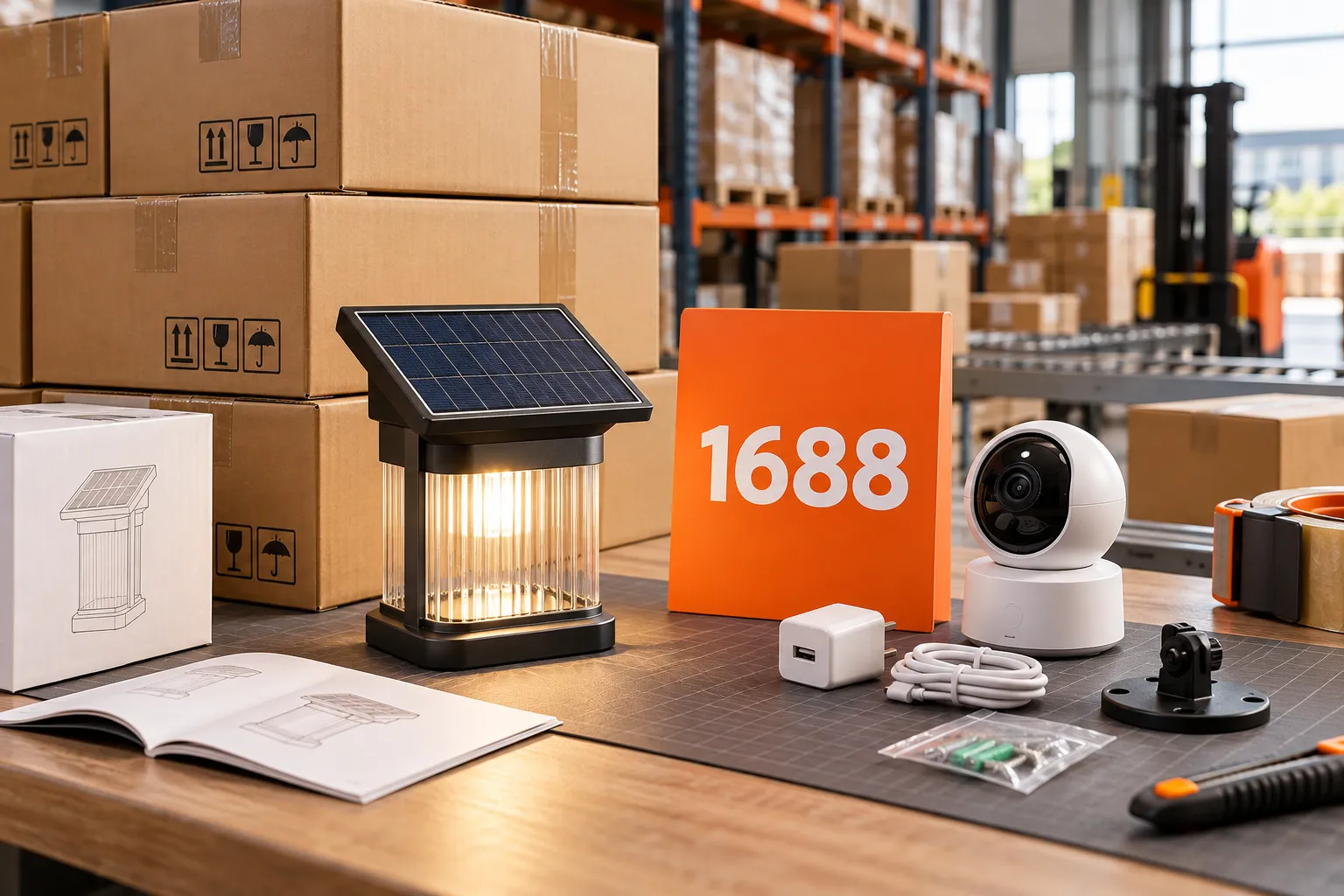
For a first import, favor products whose specifications you can evaluate and whose import requirements you understand. Avoid betting your entire budget on a category you cannot inspect or service. Solar electronics, cameras and electrical equipment require particular care with safety, batteries, compatibility and certification.
Select the right marketplace or supplier route
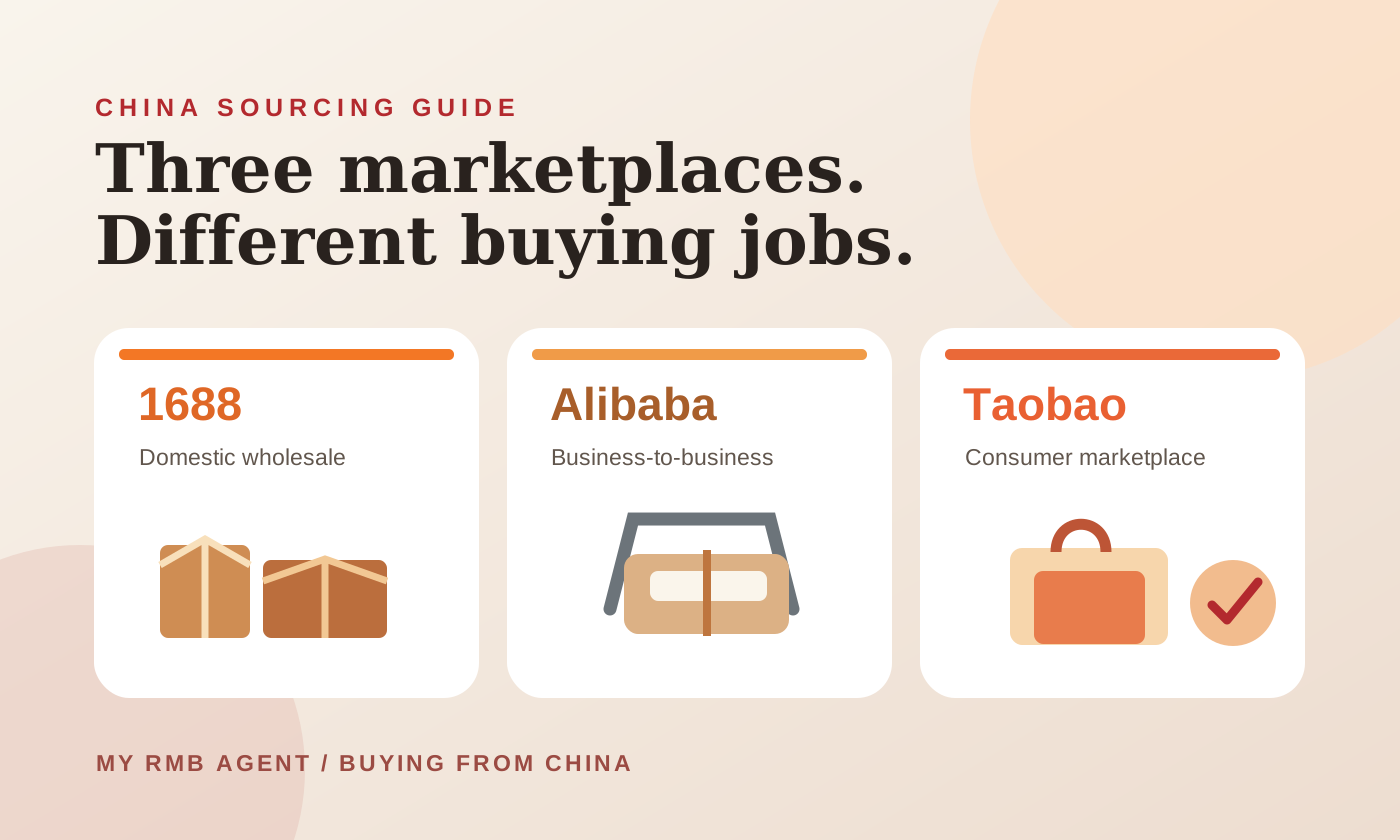
1688 is useful for Chinese domestic wholesale sourcing. Alibaba.com is oriented toward cross-border B2B discussions and may support platform trade protections, depending on the order. Taobao is primarily a consumer marketplace. Direct suppliers can also be appropriate if you can independently verify them.
Compare three offers for the same precise specification, not three completely different listings. Confirm minimum quantities, customization, warranty, export documents and who is responsible for delivery to your freight forwarder.
The complete importation journey
Verify documents and Nigerian import requirements early
Determine the product's correct customs classification and whether SONCAP, NAFDAC or another regulatory approval applies. SON says its SONCAP process addresses conformity for many regulated imports and requires relevant pre-shipment documentation; it also lists categories outside SONCAP's scope. That does not mean those goods are unregulated.
Talk to a licensed clearing professional and review the responsible agency's official guidance before you pay a non-refundable supplier deposit. Commercial shipments may involve invoices, packing lists, transport documents, Form M and other papers depending on the route and product. Requirements can change.
Negotiate your landed-cost basis
Request the price under a clearly stated Incoterm or delivery arrangement. EXW, FOB and DDP describe different responsibilities and should never be compared as though they include identical services. If someone quotes 'door-to-door', ask in writing whether duties, taxes, customs examination, storage and final delivery are included.
Build your landed-cost budget from product cost, China delivery, sourcing and transfer fees, inspection, export/port costs, international freight, import duty and tax where applicable, clearance and delivery. Add a contingency for exchange-rate movements and delays.
Documents to investigate before committing
Pay with traceable evidence
Agree a pro forma invoice listing the supplier's legal name, beneficiary, exact product, quantity, price currency and payment schedule. Never accept changed payment details solely through an unexpected message; confirm using an independently established contact.
MY RMB AGENT can assist with supported RMB transactions, Alipay or WeChat funding and supplier payments. If you need the team to source the goods, submit links and delivery details through the procurement page. Get a written quotation before sending funds.
Choose air or sea based on cargo, not hype
Air tends to suit smaller, lighter, time-sensitive goods, while sea freight can make sense for bulky inventory if you can accept longer planning and handling time. Ask your forwarder which weight or volume rule applies, whether batteries or liquids are permitted and which checkpoints will be visible.
Arrange inspection and packaging before dispatch. When goods reach Nigeria, preserve commercial records and engage the appropriate customs-clearance process. Treat any promised transit time as an estimate, not a guarantee.
Turn your first shipment into a repeatable process
On arrival, inspect and count stock, reconcile shortages, update the final cost per sellable unit and test customer demand. Record which supplier specifications were accurate and which logistics charges were unexpected.
For your next order, improve the written specification, carton standard, payment schedule and reorder threshold. The goal of a first import is not simply to receive a box; it is to build a supply channel that you can operate profitably and responsibly.
Practical next step
Take the research into your next order.
MY RMB AGENT reviews supported China product sourcing requests, RMB supplier-payment options and shipping coordination. Share your exact links, variants and delivery preference for a quotation. The standard procurement service fee is 5%; third-party charges are quoted where applicable.
Sources & further reading
Official platforms, regulators and publicly available industry material are linked for independent verification. This article is original educational content, not a reproduction of another publisher's guide.